Panic, Politics, and Policy: An Interview with Curator Stephen Petrus
Interviewed By Adam Kocurek
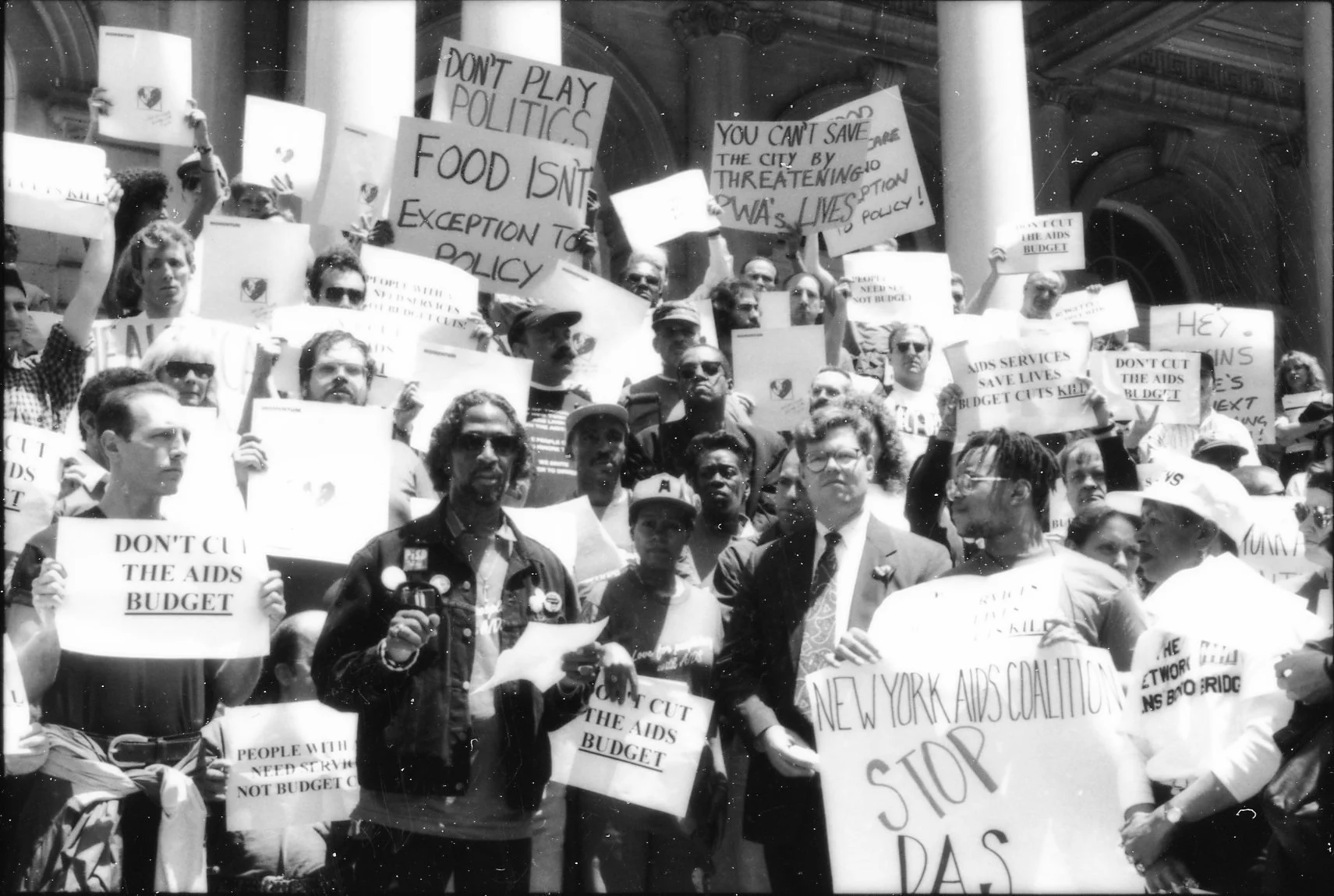
As with past projects, we approached the interviews with an open mind, conscious of confirmation bias. The history of AIDS in New York City is highly contentious. My students and I reviewed the oral histories and saw several themes emerging. For earlier exhibits, key figures came to be the main focus (Mayor Koch, for example, in the city’s gay rights bill struggle) but with this project, we observed themes overlapping, with no single individual coming to the forefront. We ultimately chose six themes, excerpted clips from each interview, and placed them in each theme within our digital gallery. The themes are more or less chronological, but to supplement this we provided a timeline on the right bar of the webpage, which was also new for us – it helped us to stabilize the history. We did not want to tell this complex story through any single person alone, regardless of how crucial individuals like Larry Kramer or Ed Koch were.
The Benab: Where Caribbean Culture Took Root in Queens
By Shafrana Carpen
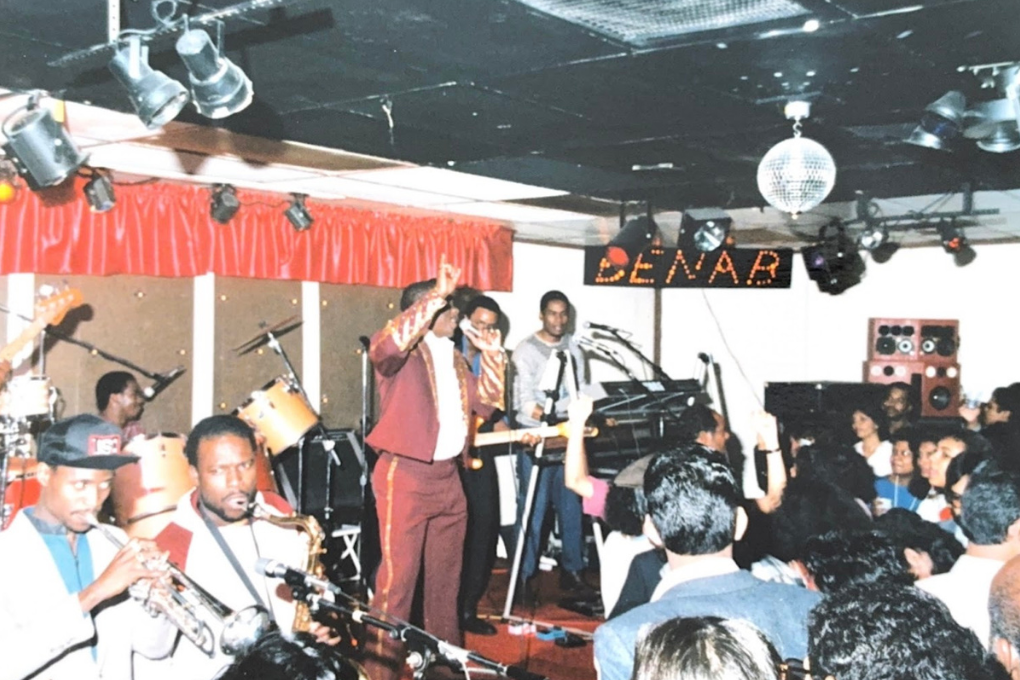
By the mid-1980s, New York City had become a second home for tens of thousands of Caribbean immigrants. Guyanese, Trinidadians, Jamaicans, and others settled in Queens, Brooklyn, and the Bronx, bringing their cultures with them. Between 1980 and 1990, immigrants from the Caribbean made up almost a third of new arrivals, yet in those years, there were few places designed for them—no club where a nurse from Georgetown or a roofer from Berbice could truly feel at home. That absence gave rise to The Benab, a nightclub that became far more than a nightlife destination. Located on Jamaica Avenue in Jamaica, Queens, The Benab was one of the first Indo-Caribbean clubs in the borough and a central meeting point for a generation yearning to find a home away from home.
New York Sari: An Interview with Curator Salonee Bhaman
Interviewed By Dominique Jean-Louis
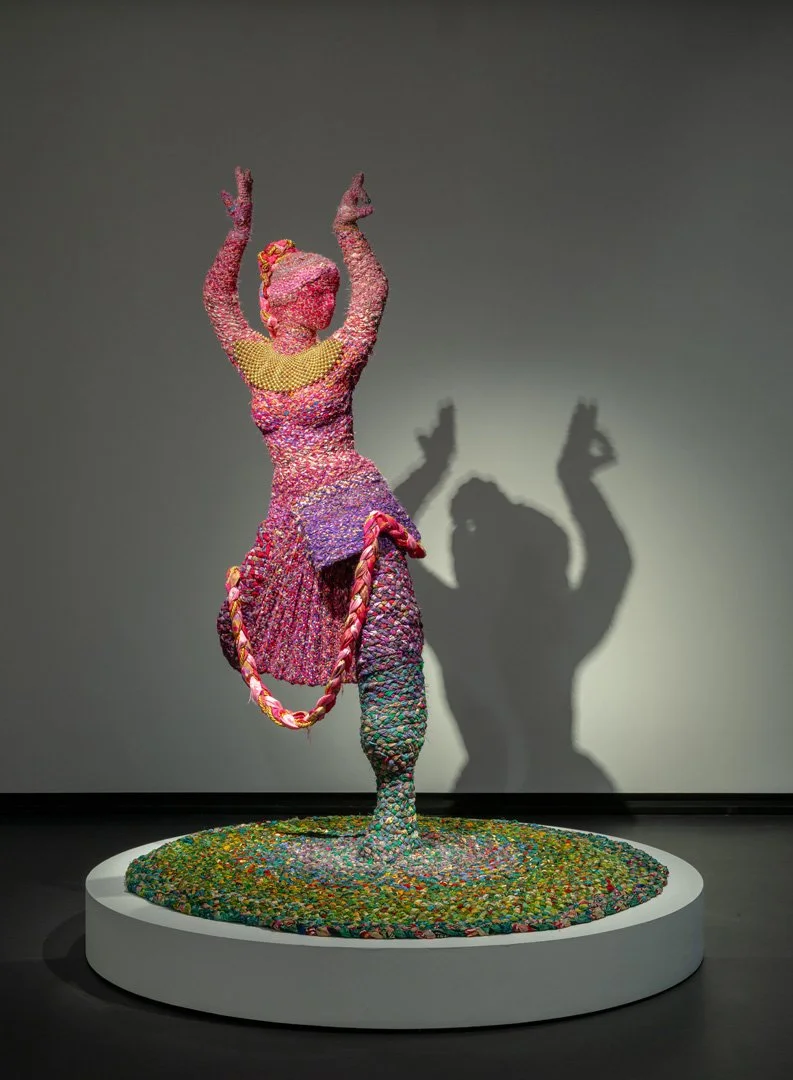
Our social, material, and emotional worlds are shaped by history that is often far more complicated and varied than what we’re likely to learn in a classroom. I hope that people come away from this exhibition with a curiosity to learn more about how and why the things they love in this city — be it a beautiful and colorful fabric or a funky groove, or a tasty and transcendent meal — got to where they are and then follow that curiosity to learn more about the people that brought that thing, or food, or color palate into their lives. New York is a city of immigrants. It has been for a very long time. The themes of displacement, segregation, and persecution that often suffuse our stories of migration come to exist alongside a different set of narratives in this place: stories of community forged across differences of culture and experience.
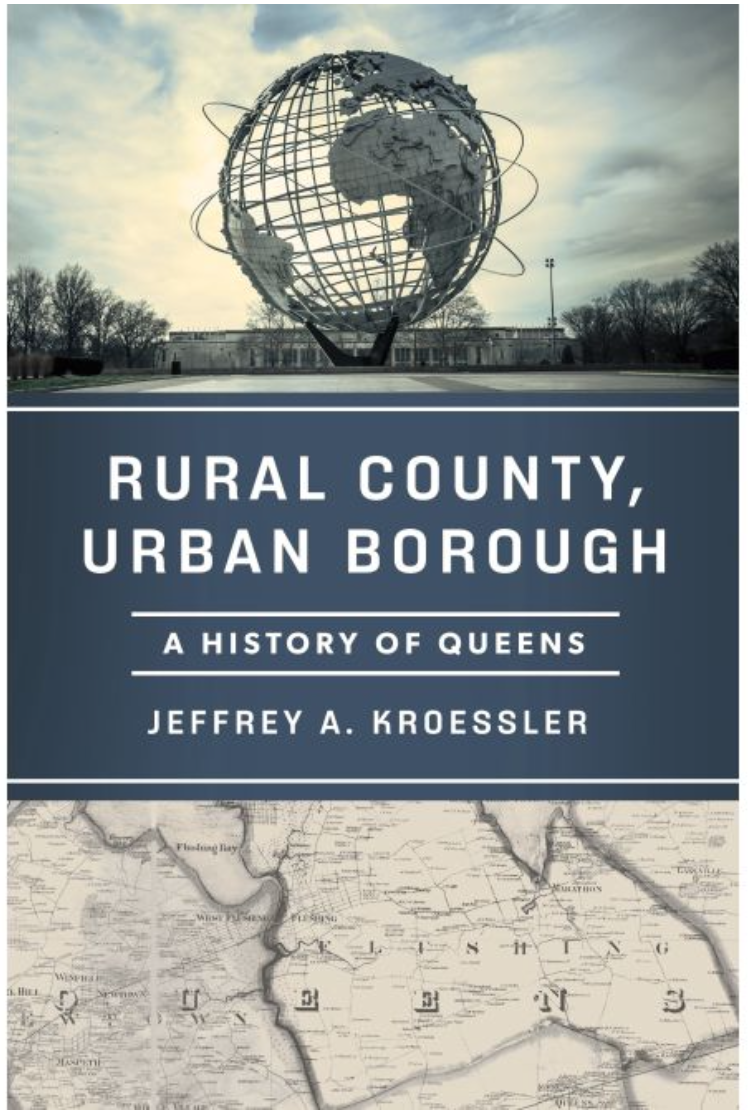
Rural County, Urban Borough is a history with a strong sense of place. Covering the the history of Queens from European settlement to the present, Kroessler charts centuries of change in the landscape. He shows how politics, industry, transportation, government and real estate interests all shaped the borough. Linking Queens to New York City and the wider world, Kroessler illuminates important elements of American metropolitan history.
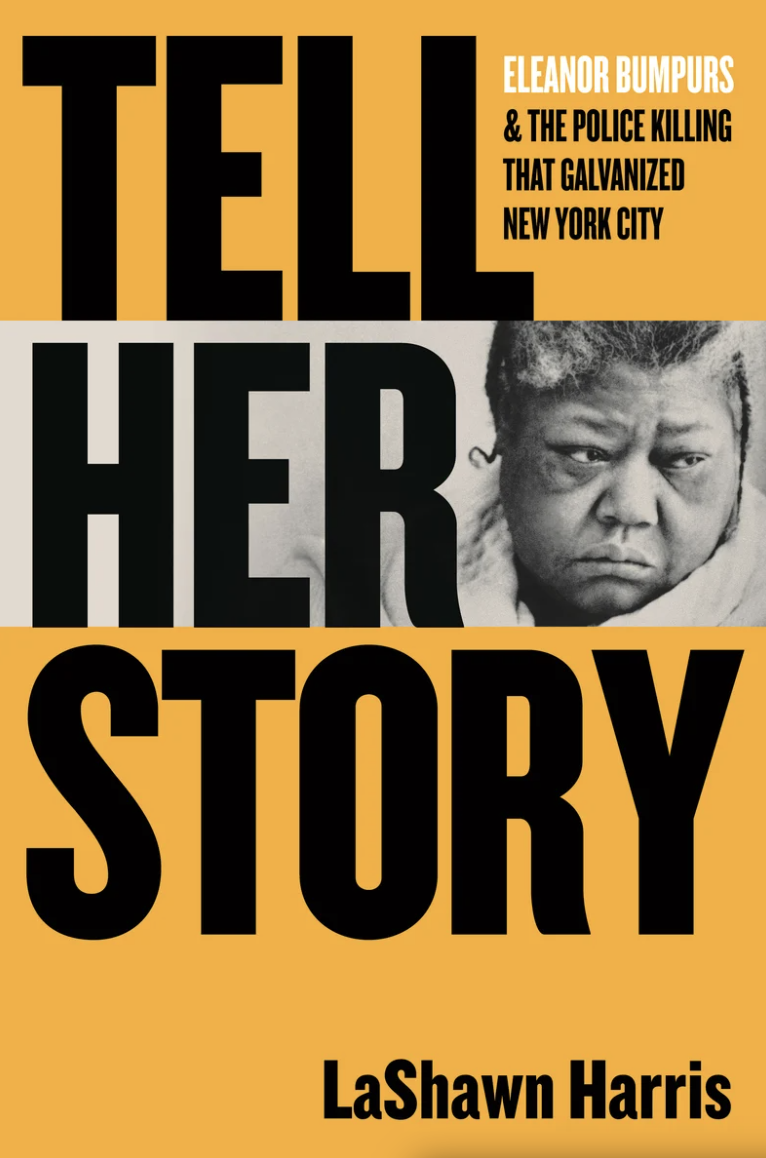
Tell Her Story: Eleanor Bumpurs & The Police Killing That Galvanized New York City
Interviewed By Emily Brooks
The Eleanor Bumpurs story is one of those hard histories. Parts of her story include scenes of personal disappointments, economic struggles, maternal loss, and ultimately state violence. As I was writing the book, I continuously told myself that it was my responsibility to tell this complicated story with nuance and compassion and care. Presenting a nuanced perspective on Eleanor’s life and killing created space for me to offer a full biography, to tell broader stories about 1980s New York City, and to shed light on late-twentieth-century Black women’s socioeconomic and political lives. Moreover, telling hard histories presents the opportunity to draw important lessons and insights from the past and place contemporary moments within historical context.
Melting Metropolis: An Interview with Daniel Cumming and Kara Murphy Schlichting
Interviewed By Rachel Pitkin
Public archives help create a record that highlights, or at least can suggest, the varied experiences of summer heat, even if one must learn to “read” the images with a critical eye. And while the archive itself is inherently selective — not everyone can or will upload their images of summer, of course — visual records that cross all five boroughs and span multiple generations reveal a rich tapestry of New York City life over many summer seasons.
Operation Sail 1976: How New York City Came Together in a Time of Crisis
By Angelina Lambros
The On July 4, 1976, New York City celebrated the Bicentennial of American independence with a parade of ships that began at the Verrazano Narrows Bridge and moved up the Hudson River. Officially titled “Operation Sail,” more than 200 ships gathered for the event. With more than six million spectators, it became the largest crowd in New York City’s history. For America's largest city where people regularly turned out for special events, Operation Sail proved truly exceptional.
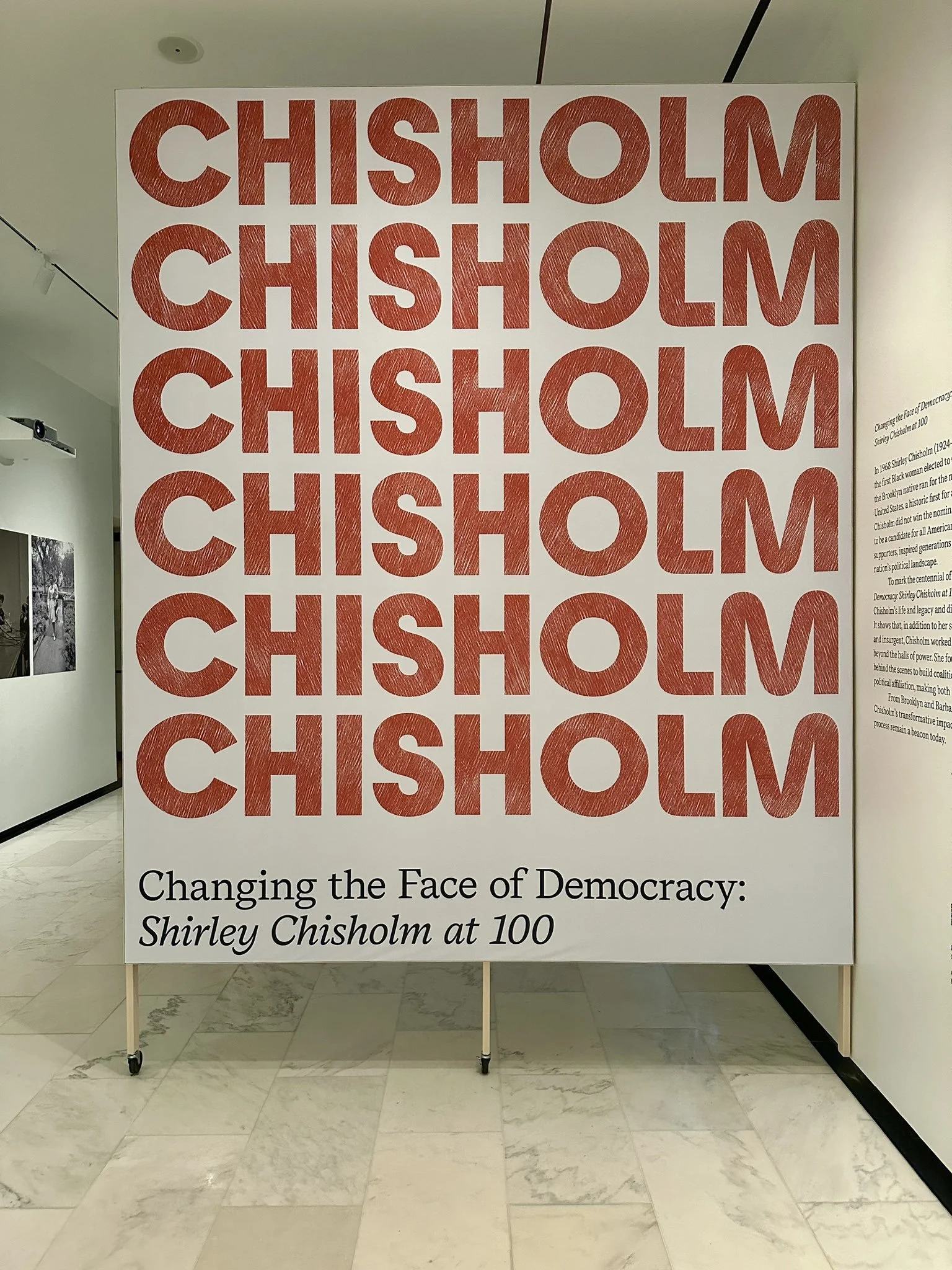
Shirley Chisholm at 100: An Interview with Zinga Fraser and Sarah Seidman
Interviewed By Dominique Jean-Louis
“I think what connects Chisholm to this political moment is how 1972 was also a time of political turmoil and conflict between a true representative democracy and political autocracy in the form of the Nixon administration. Today, Chisholm would be in the fight for our nation to not fall prey to political leadership that does not believe they are accountable to the Constitution or the American people.”
From 1949 until his death in 1997, Murray Kempton was a distinct presence in New York City journalism. Peddling around town on a three-speed bicycle wearing a three-piece suit, he wrote about everything from politics to jazz to the Mafia. His writing was eloquent, his perspective unique, and his moral judgements driven by a profound sympathy for losers, dissenters and underdogs. […] Going Around: Selected Journalism / Murray Kempton (Seven Stories Press, 2025), edited by Andrew Holter, brings Kempton’s work to old admirers and a new generation of readers.
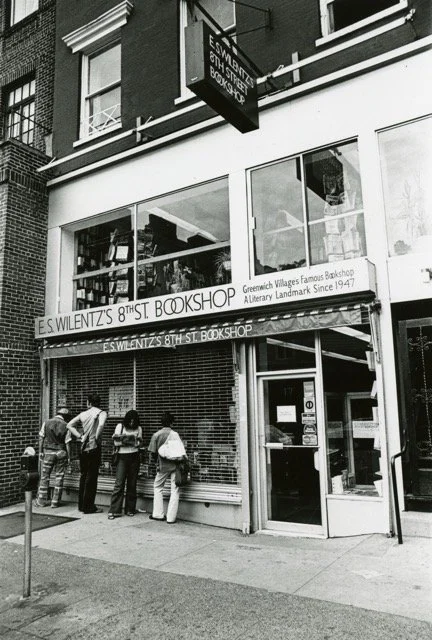
Reading from Left to Left: Radical Bookstores in NYC, 1930-2000s
By Shannon O’Neill
As pivotal spaces for leftists to strategize and engage one another, political party bookstores were key in supporting the labor movement, pushing for racial equality, working on behalf of revolutionary freedom fighters, and participating in global solidarity and struggle. In doing so, they created the space for their customers to not only radically reimagine their worlds, but to participate in activating their radical imaginations.