Masthead_Gloucester_Kearn.jpg
Posts in Nature & Environment
Before Central Park

Before Central Park

Reviewed by Kara Murphy Schlichting

Before Central Park is Sara Cedar Miller’s fourth publication about New York City’s famous greensward. Miller is historian emerita and, since 1984, a photographer for the Central Park Conservancy. Before Central Park is distinctive in its combination of Miller’s photography, her expert understanding of the park’s geography and archeology, and her meticulous real estate history of parkland from the 17th through the 19th centuries.

Read More
War Weary Nature: Environment, British Occupation, and the Winter of 1779-1780

War Weary Nature: Environment, British Occupation, and the Winter of 1779-1780

By Blake McGready

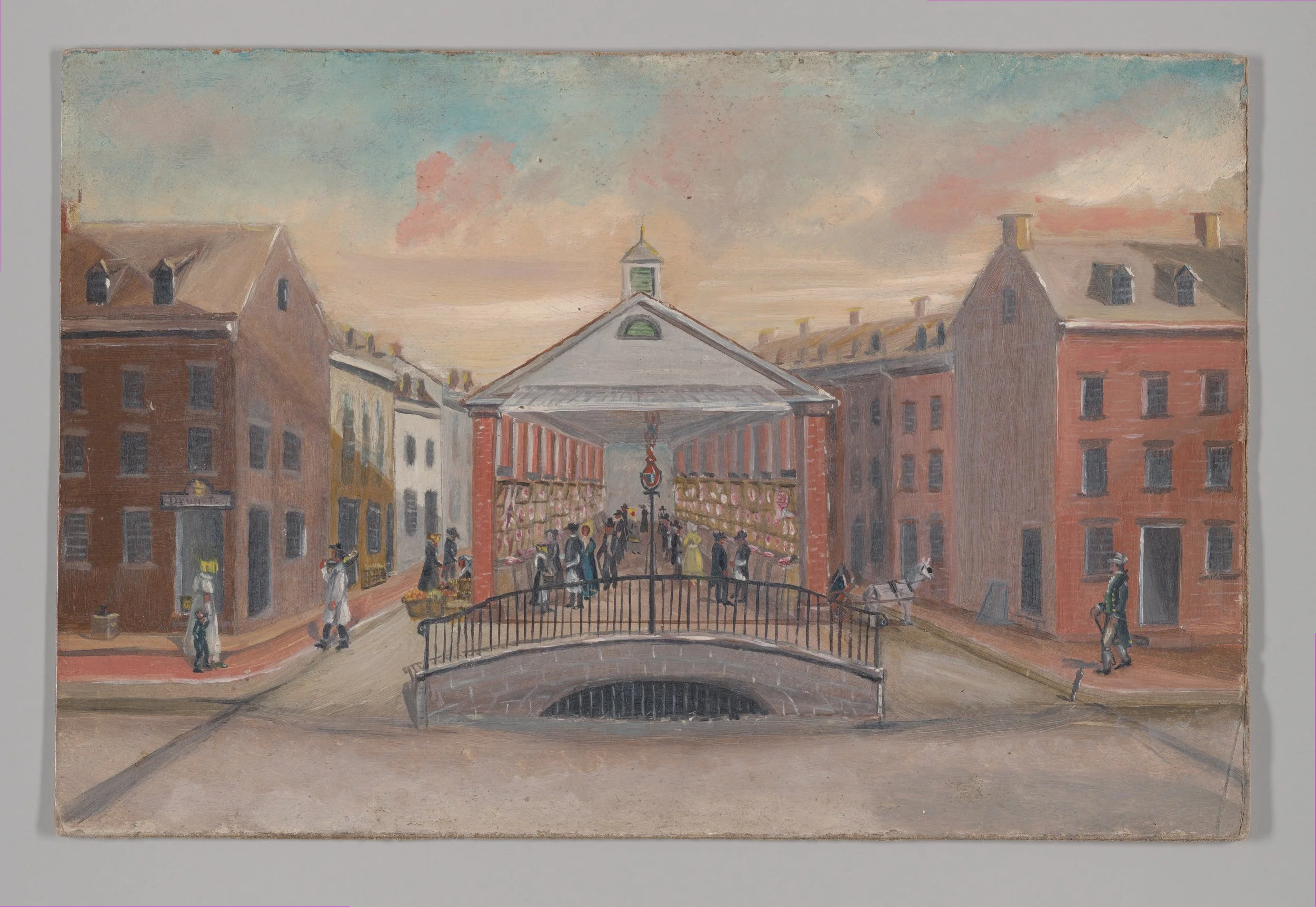
In December 1779, New Yorkers helplessly watched as their harbor froze solid and ice slowly strangled the proud entrepôt. In the late 18th century, New York City served as the principal destination for packet ships, offered a range of specialized services for the British military, and facilitated trade between the continental interior and Atlantic world. The loss of the city’s maritime and riverine networks, even temporarily, were disastrous. Ice floes appeared in the Hudson River early in the month. By December 22, the lawyer William Smith reported that ice had formed along the shoreline and had obstructed transportation between Manhattan and New Jersey.

Read More
The Problem of Water in New York’s History

The Problem of Water in New York’s History

By Carolyn Eastman

New York’s water problem has been on my mind because in the evening after I arrived in the city on September 1, 2021 to start a fellowship at the New-York Historical Society, Hurricane Ida barreled through the region. The water was devastating. Dozens died in basement apartments or when they unwittingly drove their cars into flooded streets and got swept away by the rushing water. Media filled with video of torrents of water pouring into the subway and dramatic water rescues in New Jersey.

Read More
A Review of Coastal Metropolis: Environmental Histories of Modern New York City, edited by Carl A. Zimring and Steven H. Corey

Wasted City: A History of Waste and Water Pollution in New York City

Reviewed by Erik Wallenberg

Coastal cities face a dizzying array of environmental problems, from rising seas due to climate change chaos, to polluted waters endangering fish, wildlife, and drinking water. New York City, rocked by Superstorm Sandy and struggling to rebuild a harbor ecosystem that can sustain edible fish and shellfish populations, is ripe for historical examination as environmental crises increase. Throughout its modern lifetime, New York harbor has experienced waste dumping, toxic pollution, a changing coastline, and growth as an international shipping port with attendant dredging issues, all of which we might look to for current context, historical lessons, and to help us better understand our relationship within this ecosystem.

Read More
Farming between the Heights

Farming between the Heights

By Cynthia G. Falk

Quiara Alegría Hudes and Lin-Manuel Miranda’s stage musical, now turned feature film, has brought increased attention to northern Manhattan above 155th Street. In the Heights depicts a vibrant Latinx community facing the challenges of gentrification, immigration policy, educational and economic inequality, and stereotyping. If we were to travel back in time to the northern Manhattan of Alexander Hamilton’s era, we would find a very different landscape than the one we see today in Washington Heights and neighboring Inwood to the north and Harlem to the south. That is true whether our observations are based on actual encounters with place or representations on the stage or screen.

Read More
“Loose Hogs, Fancy Dogs, and Mounds of Manure in the Streets of Manhattan”: An Interview with Catherine McNeur

“Loose Hogs, Fancy Dogs, and Mounds of Manure in the Streets of Manhattan”: An Interview with Catherine McNeur

Interviewed by Amanda Martin-Hardin, Maddy Aubey, and Prem Thakker of the Everyday Environmentalism Podcast

Today on the blog, Catherine McNeur discusses how during the early 19th century, working class New Yorkers living in Manhattan raised livestock and even practiced a form of recycling by reusing urban waste. Battles over urbanizing and beautifying New York City ensued, involving fights over sanitation and animals in the streets; and how to manage recurring epidemics and diseases like cholera that ravaged the city. McNeur explains how these tensions exacerbated early forms of gentrification in the 19th century, and contemplates how we can learn from the past to create more equitable urban green spaces and shared environmental resources in the future.

Read More
New York Recentered: Building the Metropolis from the Shore

Podcast Interview: New York Recentered

Kara Murphy Schlichting Interviewed by Garrett Reed Gutierrez

In New York Recentered: Building the Metropolis from the Shore, Kara Murphy Schlichting offers a fresh perspective on New York City’s history by shifting readers’ gaze away from Manhattan and towards the coastal periphery—where local planning initiatives, waterfront park building, the natural environment, and a growing leisure economy each had a stake in the regional development of New York City. Schlichting’s regional and environmental approach frames New York’s extensive waterways as points of connection that unite, rather than divide, the urban core and periphery to one another.

Read More
Dead rivers and Day’s End: cruising and preserving New York’s queer imaginaries

Dead Rivers and Day’s End: Cruising and Preserving New York’s Queer Imaginaries

By Fiona Anderson

Whenever I’m in New York, I make a point of spending time looking at the wooden pilings that stand in the Hudson, remnants of the warehouses and piers that occupied the waterfront until the mid-1980s. Gathered together in intimate coalition, they jut up and out along the riverside like rugged swimmers leaping in to rescue a drowning comrade. They look both like placeholders for future construction and hardy traces of a long-lost culture, like a forgotten work by Robert Smithson or an American Pompeii. This area is the subject of my recent book Cruising the Dead River: David Wojnarowicz and New York’s Ruined Waterfront (University of Chicago Press, 2019), which looks at how and why this site hosted a vibrant cruising scene and art scene in the late 1970s and early 1980s.

Read More