Our Lady of the World’s Fair: After Moses and Cardinal Spellman Brought the Pietà to the Fair, They Brought the Pope
By Ruth D. Nelson
Many services and facilities were donated. A “Papal Visit News Center” was set up in the wing of a high-rise building at United Nations Plaza, courtesy of Alcoa Plaza Associates, and volunteers from two public-relations firms worked the telephones, typed, and mimeographed the latest updates. To ensure that not one car in the pope’s motorcade would hit a pothole, the city’s Department of Highways assigned a two-thousand-man crew to the streets along the motorcade route one week before the visit. New York streets never looked so good.
Women Were a Force Behind New York Progressive Reform
By Bruce W. Dearstyne
Several of the women progressive leaders in New York City knew and collaborated with each other and worked on more than one reform. New York City had a community of women leaders and many of the ideas that came to fruition in New York in the Progressive Era, and at the national level, originated there. Some women honed their leadership skills in New York before later using them on a national level.
“They’re Tearing Down the Hippodrome”: A History of the Theater’s Demolition
By Sunny Stalter-Pace
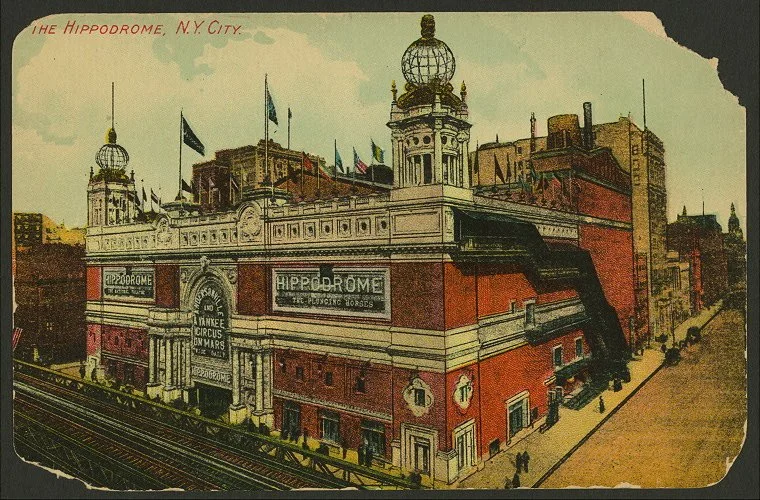
Discourse about the Hippodrome follows the pattern observed by Max Page, where real estate development shapes not only the city’s landscape but its “written and displayed history” as well. Hippodrome memorials took place in ephemeral media: newspapers, magazines, radio broadcasts. As they marked the loss of the built environment, these memorials tried to preserve some of the utopian impulses associated with it.
Going to Market: Wallabout Market and the Vanished Landscapes of Food Distribution in New York City
By Malka Simon
Wallabout Market no longer exists. Its facilities were bulldozed by the Navy Yard in 1941 to make more space for wartime production, and Brooklyn’s wholesale operations moved to the Terminal Market in Canarsie. But Wallabout’s rise and fall still has much to teach us about the rhythms of the city and the urban patterns that unfold in response to even the most ephemeral of commodities.
Spectacular Ruins: Conservation and Boosterism in Flushing Meadows-Corona Park
By Melissa Zavala
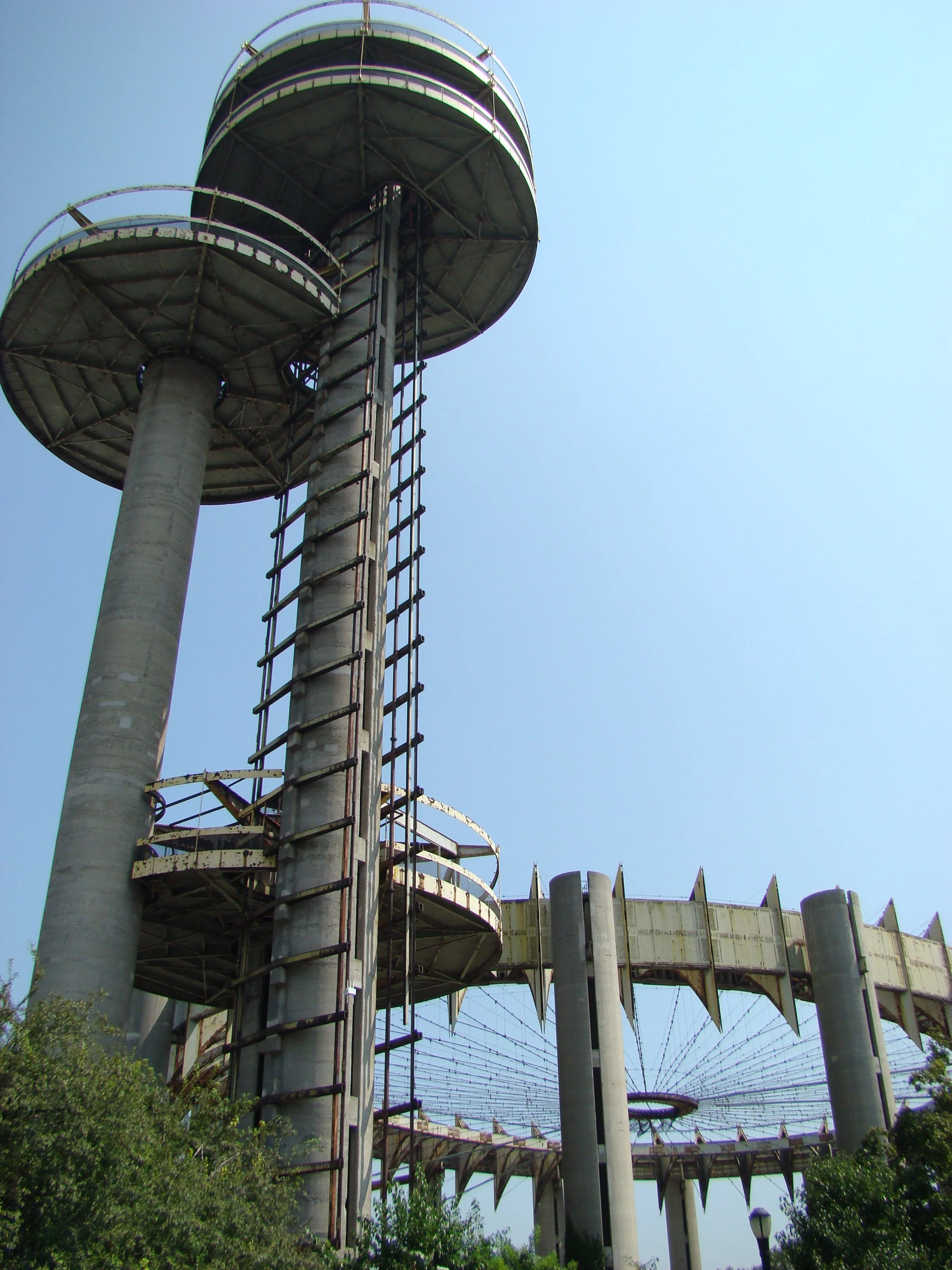
On either side of debates over development and progress is the need to protect public health and open space belonging to us all equally. The borough of Queens faces a future of sinking developments just a short walk from each other. The funding and political will to preserve a prized structure have been missing for over half a century despite public interest. Now, the city considers losing 65 acres of parkland to a capitalist venture as its best option for preservation, especially as a response to flooding and rising temperatures, as has happened along the waterfront in Long Island City. It does not matter that LaGuardia Airport and nearby Arthur Ashe Stadium are also sinking or that a casino can very well mean more tumbling ruins. Will the city soon inherit another shrine to consumption in need of rescue from the fate of a neighboring sinking relic, if not in Flushing, then near the airport or elsewhere? Which world of tomorrow is worth preserving? This is an ongoing challenge facing the city.
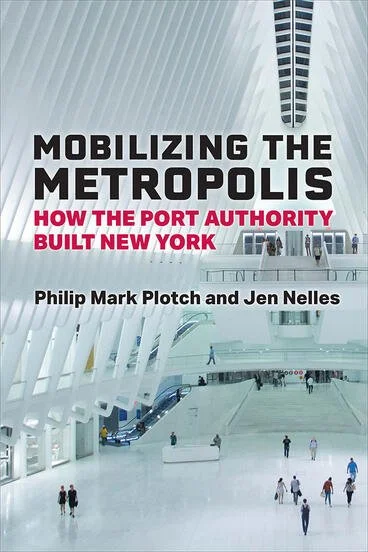
Mobilizing the Metropolis closely charts the evolution of the Port Authority as it went from improving rail freight around New York Harbor to building bridges and managing real estate. At the same time, the book explores the evolution of the authority’s internal culture in the face of actions by elected officials in New York and New Jersey that have reduced the agency’s autonomy and affected its operations. Mobilizing the Metropolis also extracts from the history of the Port Authority useful lessons about how organizations charged with solving governmental problems can win support and engage opposition.
How the Catholic Church Drove Suburban Expansion Within and Outside New York City
By Stephen M. Koeth, C.S.C.
Often overlooked, therefore, is the role that Catholic leaders, associations, and media played in spurring suburbanization, shaping the pattern of suburban development, and establishing the necessary infrastructure to sustain suburban communities. The Catholic bishops of metropolitan New York cooperated with urban planners and developers in order to maximize the Church’s real estate holdings and to anticipate where the Church would need to expand in order to serve its suburbanizing flock. They also moved financial resources from well-established urban parishes to newly established suburban parishes and oversaw massive building campaigns in suburban areas.
Frances Goldin and the Moses Threat to Cooper Square
By Katie Heiserman
Less remembered than her West Village counterpart Jane Jacobs, Frances Goldin deserves attention and further study as a model of both forceful and joyful neighborhood organizing. An activist with a distinctive style, she brought the community together and sustained engagement over many years. In her 2014 oral history interview with Village Preservation, Goldin highlighted the egalitarian, community-centered approach at the core of her work with CSC: “Fifty-nine years ago, dues were a dollar a year, and today, dues are a dollar a year.”
Mobilizing the Metropolis: How the Port Authority Built New York
Review by Elizabeth M. Marcello and Gail Radford
The New York City metropolitan area boasts an impressive infrastructural network that moves people, trains, motor vehicles, freight, ships, and airplanes. At the center of this network is the Port Authority of New York and New Jersey, the subject of Philip Mark Plotch and Jen Nelles’s Mobilizing the Metropolis, which they offer as a “reflective history” of this particular agency, but also as a series of “lessons” for other agencies around the country built on the public authority model.
Kazan’s efforts, combined with the power of the city’s labor movement and astute political alliance making, led to the building of 40,000 homes for working class New Yorkers. At a time when The Housing Question has rarely been more pressing than since Frederick Engels first raised it in 1872, recognising Kazan’s legacy is important. He successfully developed a model that worked: an alternative to the brutality of the housing market that, despite many challenges, has endured.