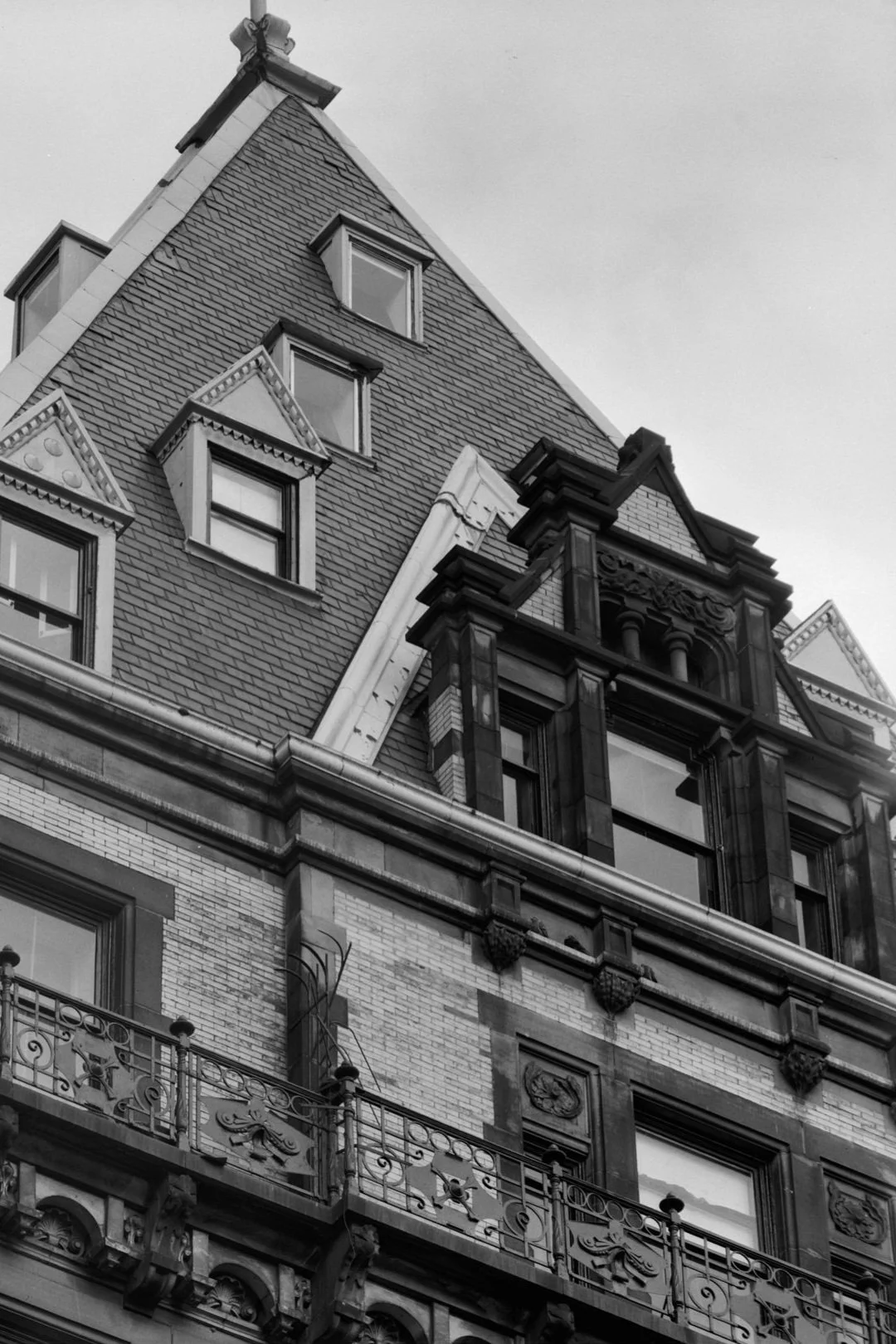
The Fulton Fish Market: A History
Reviewed by Joshua Specht
From roughly 1850 to 1950, Fulton Market would dominate wholesale fish provisioning in the United States and much of the country’s fish would pass through Fulton…As the market supplied itself from more distant locales, Fulton’s ecological impact widened. … wholesalers had to look further and further away and develop more and more complex means of preserving and moving fish. … the length and complexity of this process served to obscure the ecological impact of food—consumer appetites were, after all, destroying ecosystems a world away.
Read More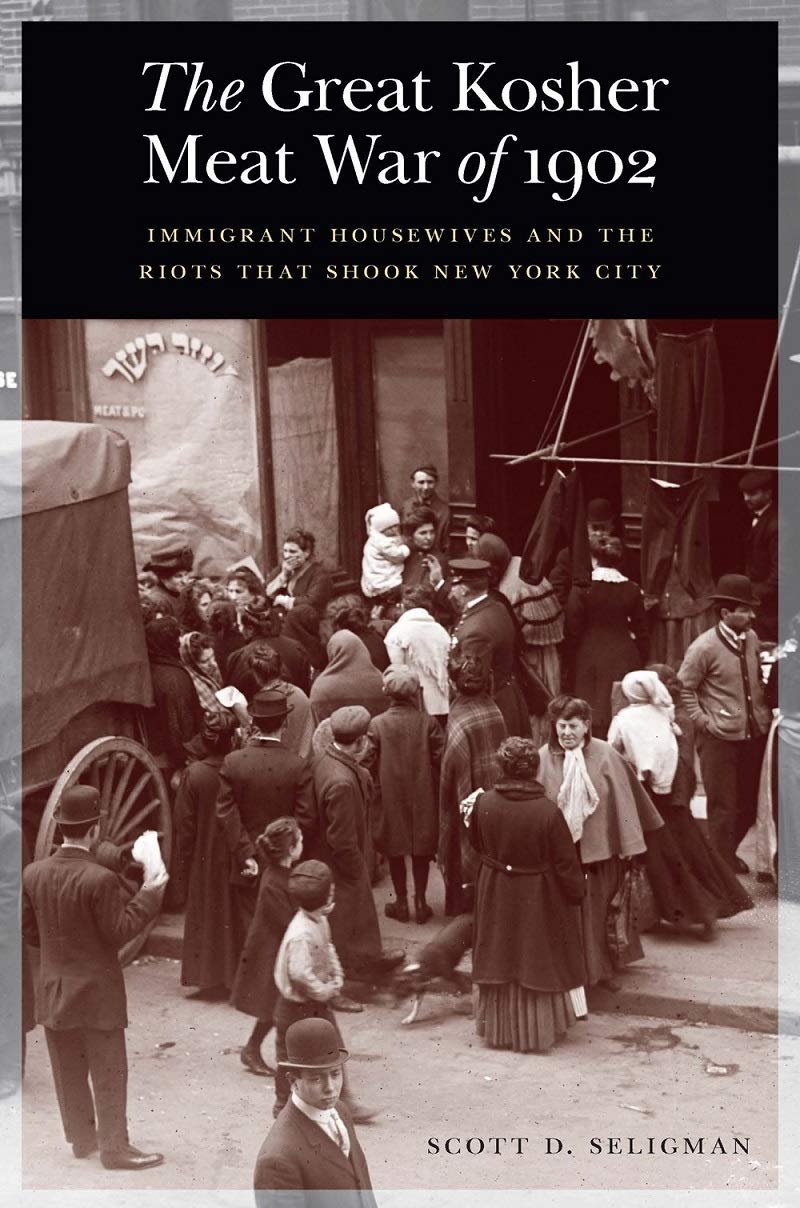
The Great Kosher Meat War of 1902: Immigrant Housewives and the Riots that Shook New York City
Reviewed by Aaron Welt
With The Great Kosher Meat War of 1902, Scott D. Seligman offers the first book-length treatment of the campaign of Jewish housewives against the “Beef Trust.” … Seligman provides a highly readable chronology of the events between May and June of 1902 that, at the time, earned the title of “a modern Jewish Boston Tea Party” and, later, the Kosher Meat Boycott. He succeeds in bringing to life the largely forgotten and primarily female leaders of the consumer campaign, their roles within the collective effort to bring down the price of kosher beef, the internal divisions that developed, and their significance for American Jews.
Read MoreBefore Central Park
Reviewed by Kara Murphy Schlichting
Before Central Park is Sara Cedar Miller’s fourth publication about New York City’s famous greensward. Miller is historian emerita and, since 1984, a photographer for the Central Park Conservancy. Before Central Park is distinctive in its combination of Miller’s photography, her expert understanding of the park’s geography and archeology, and her meticulous real estate history of parkland from the 17th through the 19th centuries.
Read MoreDutch-American Stories: The Tale of the White Horse: The First Slave Trading Voyage to New Netherland
By Dennis J. Maika
The first direct shipment of enslaved Africans arrived in New Amsterdam in 1655. The voyage of the White Horse came in the wake of significant changes in the Dutch Atlantic. In this blog, American historian Dennis Maika outlines how family and business connections shaped the development of a slave-trading center in Manhattan.
Read More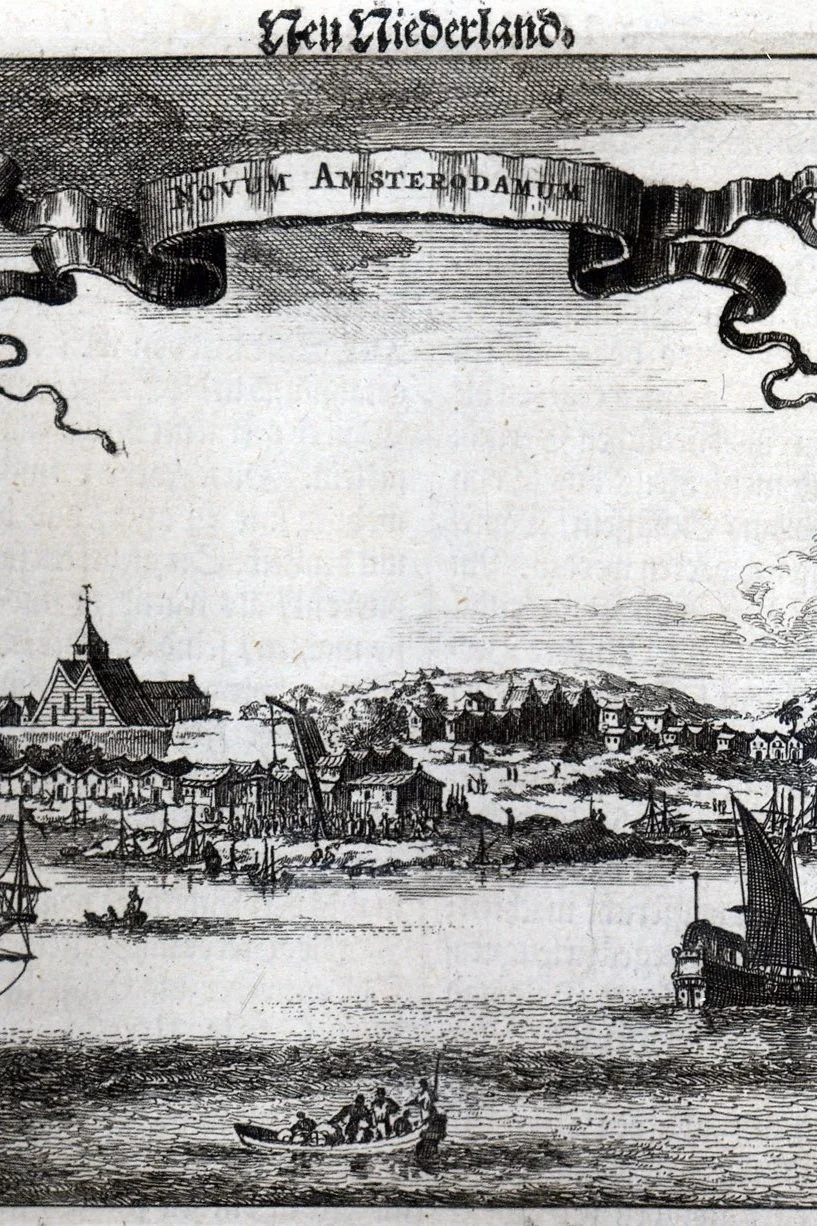
“Strike for the Prince of Orange!”: La Garce and the Vicarious Privateers of New Amsterdam
By Julie van den Hout
During the mid-1640s, Manhattan played host to the Dutch privateer Willem Albertsen Blauvelt, with his frigate, La Garce (The Wench).[1] From New Amsterdam, New Netherland Director Willem Kieft and his council granted a commission to Captain Blauvelt to intercept Iberian ships in the Caribbean, as “the enemies of the High and Mighty Lords of the States General of the United Netherlands.”[2] Blauvelt made at least three privateering voyages from New Amsterdam to the Caribbean with La Garce and captured at least seven Spanish ships as “prizes.” With each voyage, more and more local investors signed on to help finance the expeditions in return for a fairly unique commodity — a share in a Spanish prize ship and its cargo.
Read MoreBook Review: Catherine Collomp’s Rescue, Relief, and Resistance
Reviewed by Natalia Dubno Shevin
Catherine Collomp’s Rescue, Relief, and Resistance: The Jewish Labor Committee’s Anti-Nazi Operations, 1934-1945 is the first monograph to uncover the rescues and aid that the Jewish Labor Committee (JLC) provided to trade unionists, socialists, and Jews trapped in Europe after the rise of Nazism and fascism during the Second World War. The emergence of the JLC in 1934 and its successful rescue of 1,500 individuals from occupied France, via Spain and Portugal, and Polish Bundists from Lithuania, via the Soviet Union and Japan, reflected the strength of World War II-era Jewish labor in New York City.
Read MoreFive Decades of (Fighting Over) 421-a
By Samuel Stein and Debipriya Chatterjee
In 2021, New York’s 421-a tax exemption for new residential construction turned fifty years old. That fiscal year, it cost the city $1.7 billion in uncollected tax revenue, a larger amount than any other single New York City housing budget item. Since 1990, as far back as public data is available, the tax exemption has cost the city over $22 billion (adjusted for inflation). In June of 2022, the program will expire unless it is renewed or replaced.
Read MoreCrisis, Disease, Shortage, and Strike: Shipbuilding on Staten Island in World War I
By Faith D’Alessandro
On April 6th 1917 the United States officially joined the First World War. The casus belli was the sinking of three US ships by German U-boats on March 18th. However, the U-boat issue and its devastating consequences had been under way for far longer, and would fuel a shipping crisis throughout the remainder of the war. In February 1917 U-boats had sunk almost 540,000 gross tons of shipping, and in March another 600,000, creating an enormous need to increase merchant ship construction. The urgency of mobilization and defense affected ship manufacturing centers across the country, including the huge shipbuilding industry in New York Harbor, which was centered around three major areas: Greenpoint, Brooklyn, including the Brooklyn Navy Yard; the Camden-Bayonne area of New Jersey; and the North Shore of Staten Island.
Read More