
The Benab: Where Caribbean Culture Took Root in Queens
By Shafrana Carpen
By the mid-1980s, New York City had become a second home for tens of thousands of Caribbean immigrants. Guyanese, Trinidadians, Jamaicans, and others settled in Queens, Brooklyn, and the Bronx, bringing their cultures with them. Between 1980 and 1990, immigrants from the Caribbean made up almost a third of new arrivals, yet in those years, there were few places designed for them — no club where a nurse from Georgetown or a roofer from Berbice could truly feel at home. That absence gave rise to The Benab, a nightclub that became far more than a nightlife destination. Located on Jamaica Avenue in Jamaica, Queens, The Benab was one of the first Indo-Caribbean clubs in the borough and a central meeting point for a generation yearning to find a home away from home.
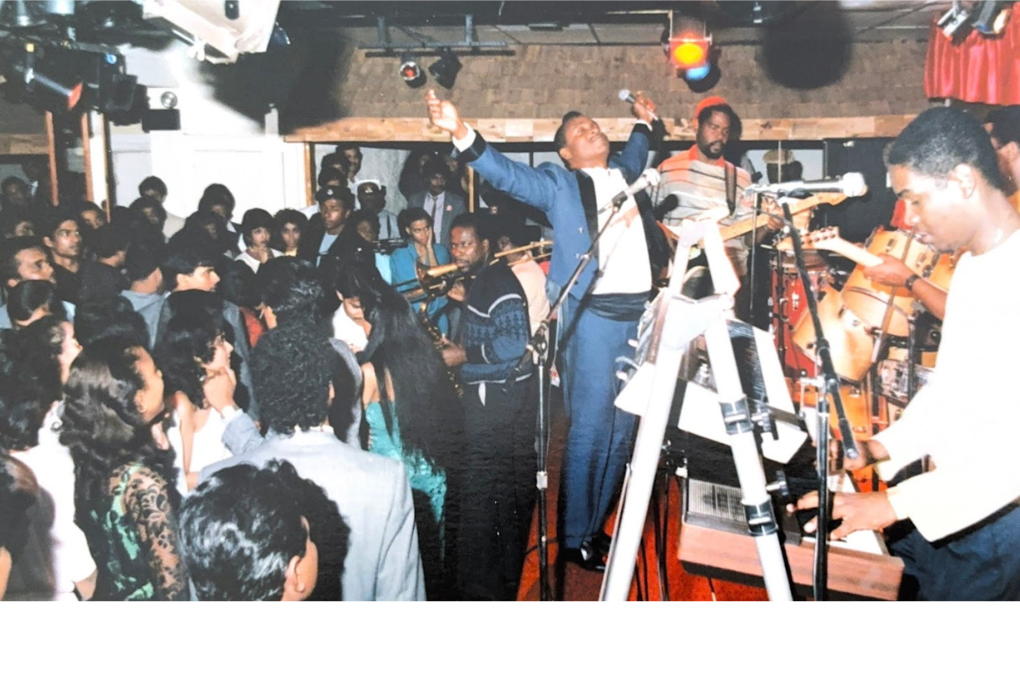
Sparrow Concert at The Benab (Courtesy of Shafrana Carpen).
When David Subryan Carpen and his brother, Renny, opened The Benab in 1983, the idea was simple: create a space that felt both Caribbean and New York. In Guyana, the term “benab” can be used to describe a meeting place. “We saw a need,” Carpen recalled. “West Indian people were just beginning to arrive in America. They had lost their sense of community. They didn’t have networks, and they didn’t have Facebook or any of that. You either met someone on the street or at The Benab.”
Between 1981 and 1983, the club operated as a speakeasy while the owners saved toward a liquor license. They hosted an event, then closed again, using each gathering to fund the next step. A cardboard sign went up at night and came down before dawn. Relatives and friends filled the space and were noted as “members,” while others were asked to pay at the door. When neighbors asked about the crowds and the music, the owners said it was a private family party. By 1983, the profits from those nights were enough to obtain a liquor license, marking the Benab’s transition into a fully licensed nightclub.
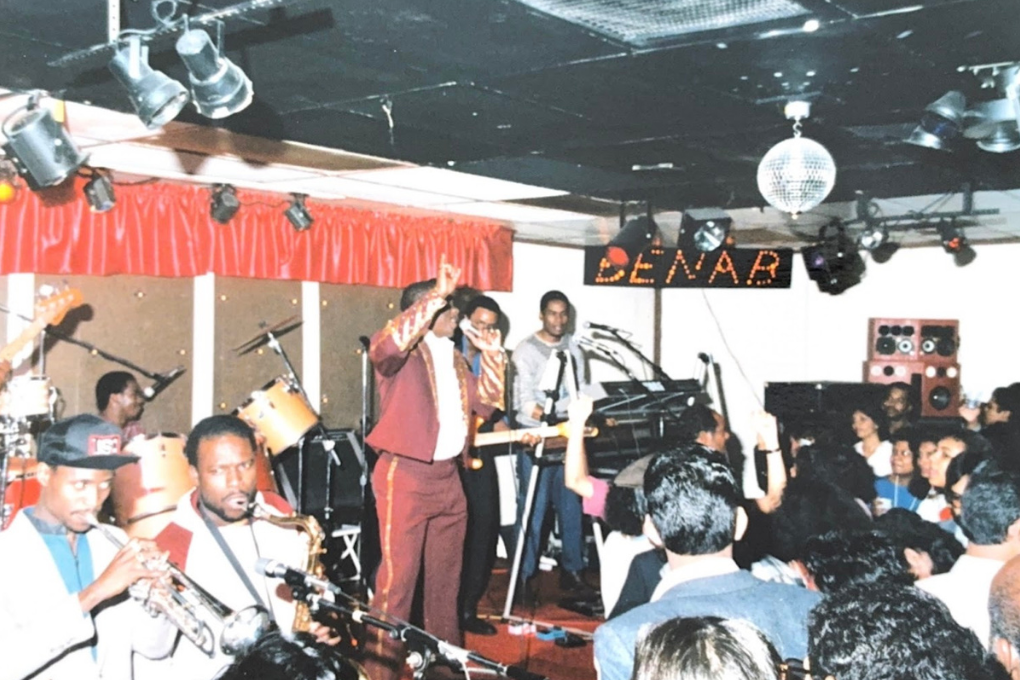
The Mighty Sparrow performing live on stage at The Benab (Courtesy of Shafrana Carpen).
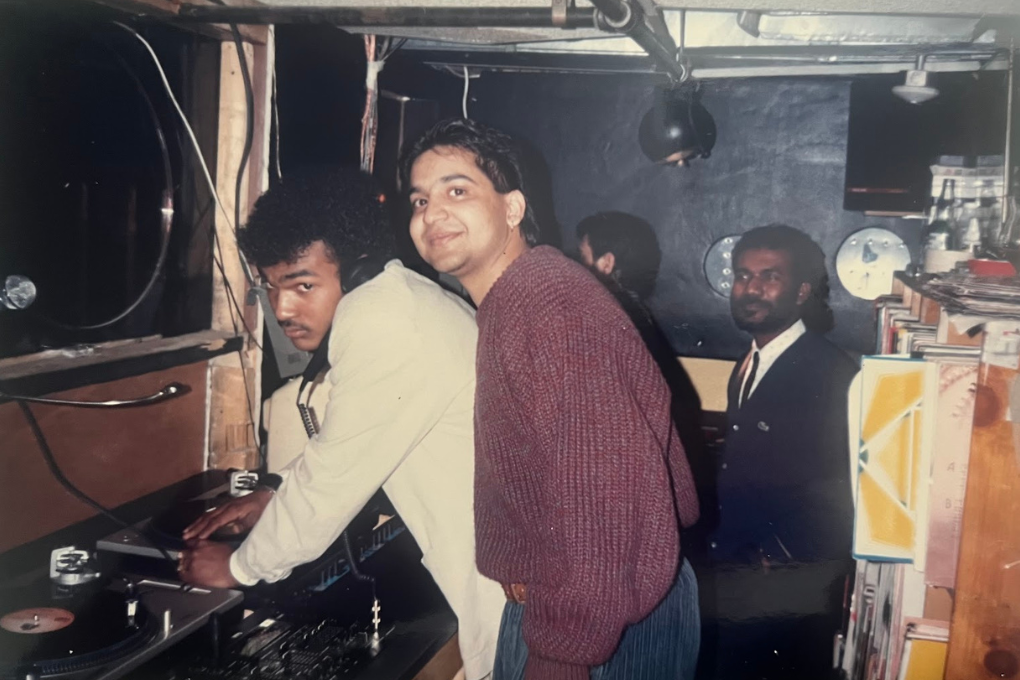
The owners understood that to host a night of dancing to soca, calypso, and reggae, the music needed to be loud. “When we first started, the focus was getting the best sound system,” Carpen said. We got a Macintosh sound engineer and technicians from Sam Ash…That’s what kept people coming back. We invested in the sound and the DJs.” Each DJ was carefully vetted. Sometimes ten would audition for a single set. “We would interview them, make them play, see how they handled transitions,” Carpen explained. “We even soundproofed the walls so the music could run loud.”
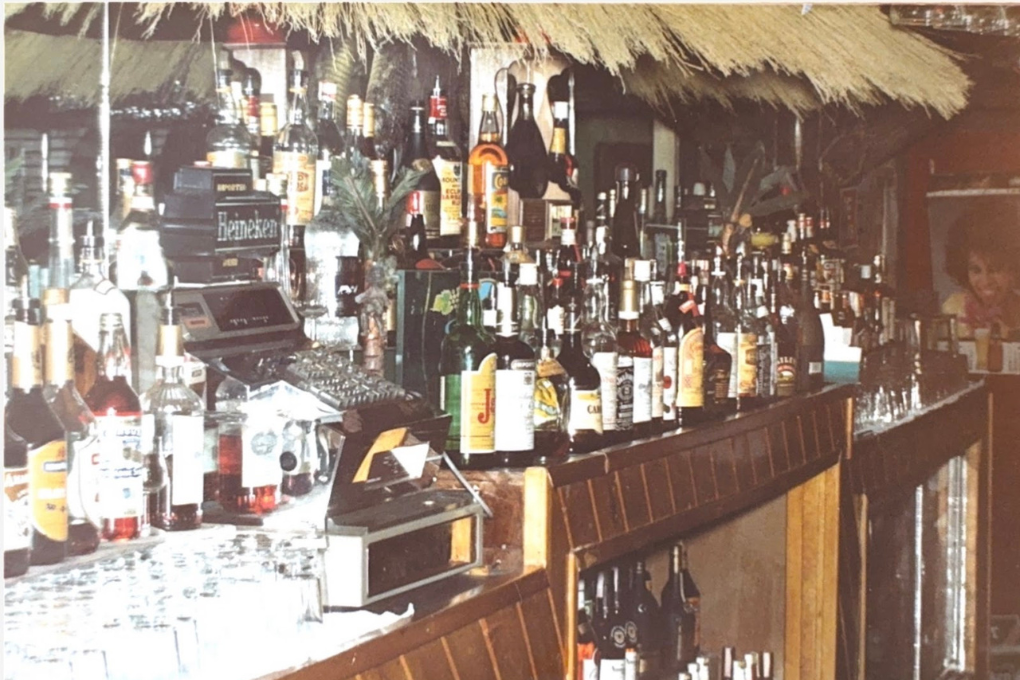
The décor matched the vision. The interior was dark and warm, lined with wood paneling, plexi-glass mirrored walls, and black light carpeting. A dance floor opened onto a bar topped with a tiki-style roof. A Caribbean landscape was painted across the walls—fishing villages and beaches that reminded patrons of their home countries. The crowd was mostly Guyanese and Trinidadian, with smaller numbers of Jamaicans and Haitians. Carpen also wanted to bring Manhattan flair to Queens. “Lighting, sound, décor—that was key.” He and his partners studied clubs like Studio 54 and The Underground, borrowing what worked and infusing what they could into the Benab.
By the time the club received its liquor license in 1987, The Benab had cemented its place in the community. Word spread through ads on WLIB, the AM station serving Caribbean audiences, and flyers were distributed to West Indian grocery stores like Sybill’s on Hillside Avenue and record shops like Charlie’s Records (formerly known as Charlie’s Calypso City) in Bedford-Stuyvesant.
(Courtesy of Shafrana Carpen).
For many patrons, The Benab was their first American nightclub. Habits from home often clashed with New York norms. In Guyana, it was common to buy a bottle of rum for the table and drink until it was finished—but in Queens, that tradition easily led to chaos. “At first, we let them buy bottles instead of shots,” Carpen recalled. “But we got too many fights because they’d want to finish it, drink it out.” The owners adjusted. “Bottles were banned; only shots were allowed.” Then glassware became a hazard as well. “The glasses were dangerous,” Carpen said. “We had to only serve in plastic cups after all the fights.”
Bouncers learned to screen guests carefully. Anyone who fought was removed immediately. “We weren’t an off-license place anymore,” Carpen explained. “We were a club. And we had to teach people how to go out in a club here.” Barry Dickerson, who began working security in 1987, painted a picture of the club’s unique energy. “By midnight, it was wall-to-wall people,” he said. “Everyone’s sweating, everyone’s smiling. When the DJ dropped a big soca tune, people clapped and cheered like they were at a concert.” He called it “a social experiment,” part nightclub, part community center. “People came from abroad and felt comfortable with their own people,” he said. “It had a family vibe. You’d see the same faces for years. It really had the dynamics of a community center.”
(Courtesy of Shafrana Carpen).
The holidays carried that sense of family. “Thanksgiving events were buffet style,” Barry remembered. “In front of the bar, we had trays of pholourie, souse, all of it. Upstairs, tables of food. It was built into the ticket price. Everyone ate together.” What united everyone was recognition. “They wanted a place where they could see other people who looked like them, talked like them,” recalled Sunil Mungru, a longtime patron. “The name alone drew us in. You hear ‘The Benab’ and you think, that has to be a Caribbean place.” He paused and added, “The Benab was like an island in the ocean—like a mist in the desert for us.”
The Benab platformed Caribbean legends. The Mighty Sparrow (known as the “Calypso King of the World”) performed there around 1987. Later came Kanchan and Babla, Drupatee, Ricky Jai, Crazy, Iwer George, Barron, and Arrow. Nights regularly ran late. “The DJ would spin until four in the morning, and the crowd would cheer him off like a live act.”
Running a nightclub in New York is never simple. City inspectors closed The Benab temporarily in 1987 over safety and public-assembly permits. Later, in the mid-1990s, a sting operation caught an underage patron. “Someone came in with a beard and wasn’t carded, Carpen said. “They closed us for two weekends.” Each setback reshaped the business but not its purpose.
For fifteen years, The Benab anchored Queens’ Caribbean social life, serving as both a cultural hub and a place where lifelong connections were made. Both Barry and Carpen met their wives there. “So many people met there and got married,” Carpen said. “It was an incredible place. Even those who never worked there felt its pull. It was the first place you’d see someone from your village,” one patron told Barry years later. Barry said the experience also changed how he saw Caribbean identity. As an African-American, he admitted, “before that, all I knew about Guyana was Jim Jones. Ten years there taught me the real culture. It solidified a sense of cohesiveness in the community.”
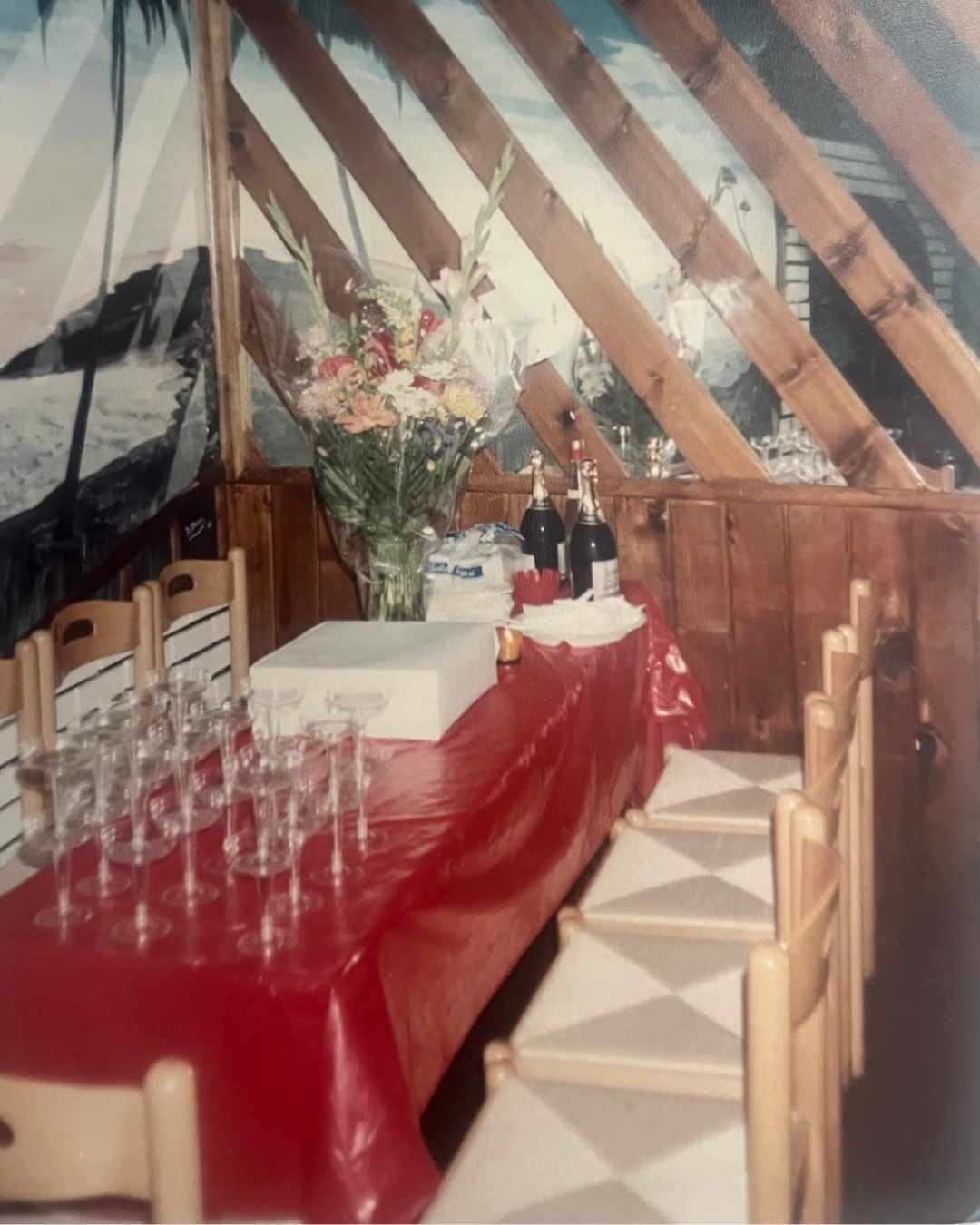
(Courtesy of Shafrana Carpen).
Beyond these personal connections, the club played a larger role in anchoring the Caribbean community in Queens. It taught newcomers how to live collectively in a foreign city, offered their music when few radio stations did, and provided an inclusive space when few institutions cared to. In doing so, it trained a generation in how to gather and belong, marking the moment Caribbean culture became woven into the fabric of Queens.
By the late 1990s, running the club had become increasingly difficult. Many of the original patrons were visiting less often, while a younger, more assimilated crowd gravitated toward new musical trends. Soca clubs that once provided a sense of home in Queens were losing their central place in the community. By November 1999, The Benab had closed, just as newer, more polished Caribbean clubs began to emerge in the area.
More than a quarter-century later, Caribbean clubs like One Bar and Elevate are scattered throughout Queens. They boast high ceilings, marble countertops, and hookah lounges. But forty years ago, there was one spot with wood paneling, plexi-glass mirrors, a warm dance floor, and a DJ who understood soca and calypso, and that was The Benab.
This piece was originally posted in the Hunter Urban Review.
Shafrana Carpen (she/her) has spent over 10 years in the nonprofit realm and is a policy graduate student in Hunter College’s Master of Urban Policy and Leadership program. A lifelong New Yorker and daughter of Guyanese immigrants, she currently serves as the Impact Evaluation Manager at Callisto, a national sexual assault prevention organization. Both her work and studies are rooted in a commitment to driving progressive policy change.