Masthead_Gloucester_Kearn.jpg
Posts in Built Environment
Myth #8: Static Manhattan, Part II

Myth #8: Static Manhattan, Part II

By Gerard Koeppel and Jason M. Barr

Today, the image of Manhattan is as a vertical city — a place that, as E. B. White saw it, “has been compelled to expand skyward because of the absence of any other direction in which to grow.” With our eyes focused skyward, we think little of the city’s horizontal expansion, as the grid plan seemingly set Manhattan in stone, literally and figuratively.

This is the final installment of the authors' series The Manhattan Street Grid: Misconceptions and Corrections.

Read More
Myth #6: The Grid Plan Caused Too Much Density and Rampant Land Speculation

Myth #6: The Grid Plan Caused Too Much Density and Rampant Land Speculation

By Jason M. Barr with Gerard Koeppel

In the two centuries since its creation, the grid plan has had no shortage of critics. Many, for example, have bemoaned its relentless monotony, its disregard for Manhattan’s topography and its lack of grand boulevards. In many respects, the grid has become a kind of Rorschach blot for the failures of 19th century New York to provide a cleaner, more efficient, and greener city. Detractors often see the plan as the cause or catalyst of the larger problems that New York confronted from rapid economic growth, massive immigration and poverty, and a municipal government that was, more or less, unable and unwilling to effectively handle these issues.

Read More
Myth #5: The Grid Plan Leveled Manhattan

Myth #5: The Grid Plan Leveled Manhattan

By Jason Barr with Gerard Koeppel

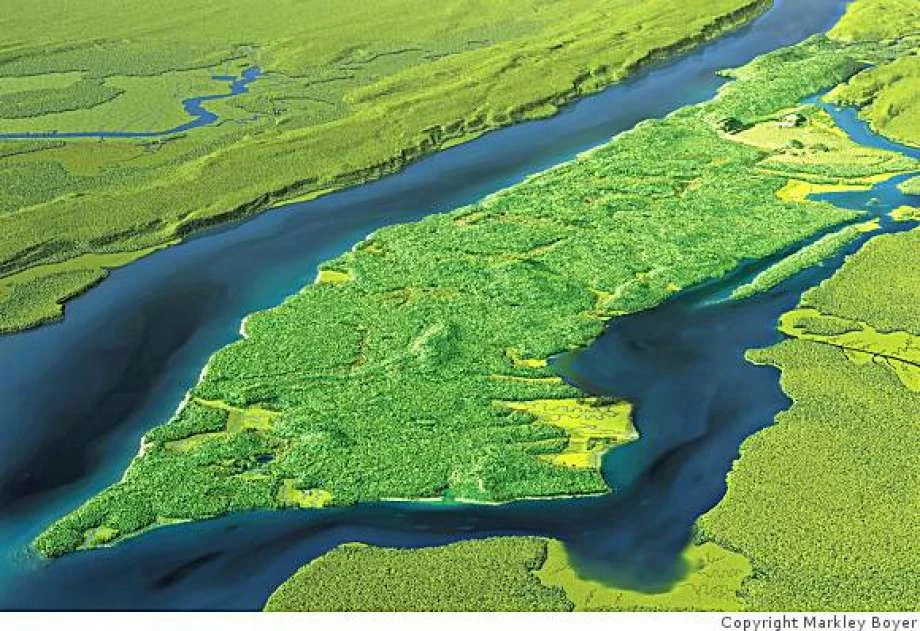
In 1609, when Henry Hudson sailed up the river that now bears his name, he saw an island forest covered in oak, pine and tulip trees. Two centuries later, in 1811, when the grid plan was enacted, most of Manhattan was still undeveloped. In fact, the footprint of the city itself encompassed only 1.3 square miles at the lower tip. The rest was quite sleepy - farms, country estates, and pockets of unspoiled nature.

Read More