Masthead_Gloucester_Kearn.jpg
Posts in Crime & Policing
Remembering the Activism Campaign that Made Samuel Battle the First Black NYPD Officer

Remembering the Activism Campaign that Made Samuel Battle the First Black NYPD Officer

By Matthew Guariglia

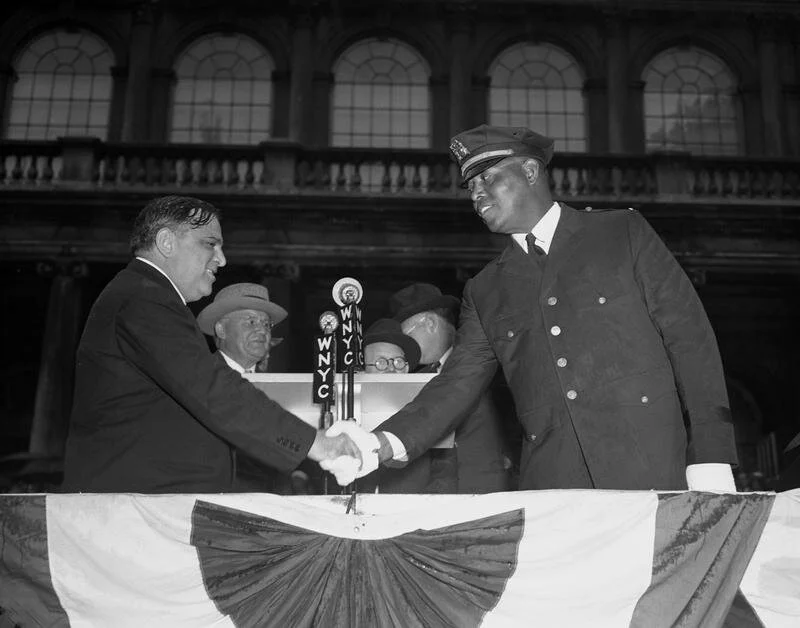
Dedicated in 2009, Samuel Battle Plaza, at the sprawling intersection at 135th Street and Lenox Avenue, commemorates Samuel Jesse Battle who, in 1911, became the first African American appointed to the NYPD. Presided over by embattled NYPD Commissioner Ray Kelly, the dedication came near the height of the protest movement against the department’s disproportionate stopping and frisking of young men of color in the city. At a moment of mass community resistance to Kelly’s NYPD, renaming served a political purpose. Creating a visible landmark to Samuel Battle at that pivotal moment preserved a narrative of symbiosis between the people of Harlem and the NYPD.

Read More
Material Politics of New York: From the Mafia’s Concrete Club to ISIS

Material Politics of New York: From the Mafia’s Concrete Club to ISIS

By Vyta Baselice

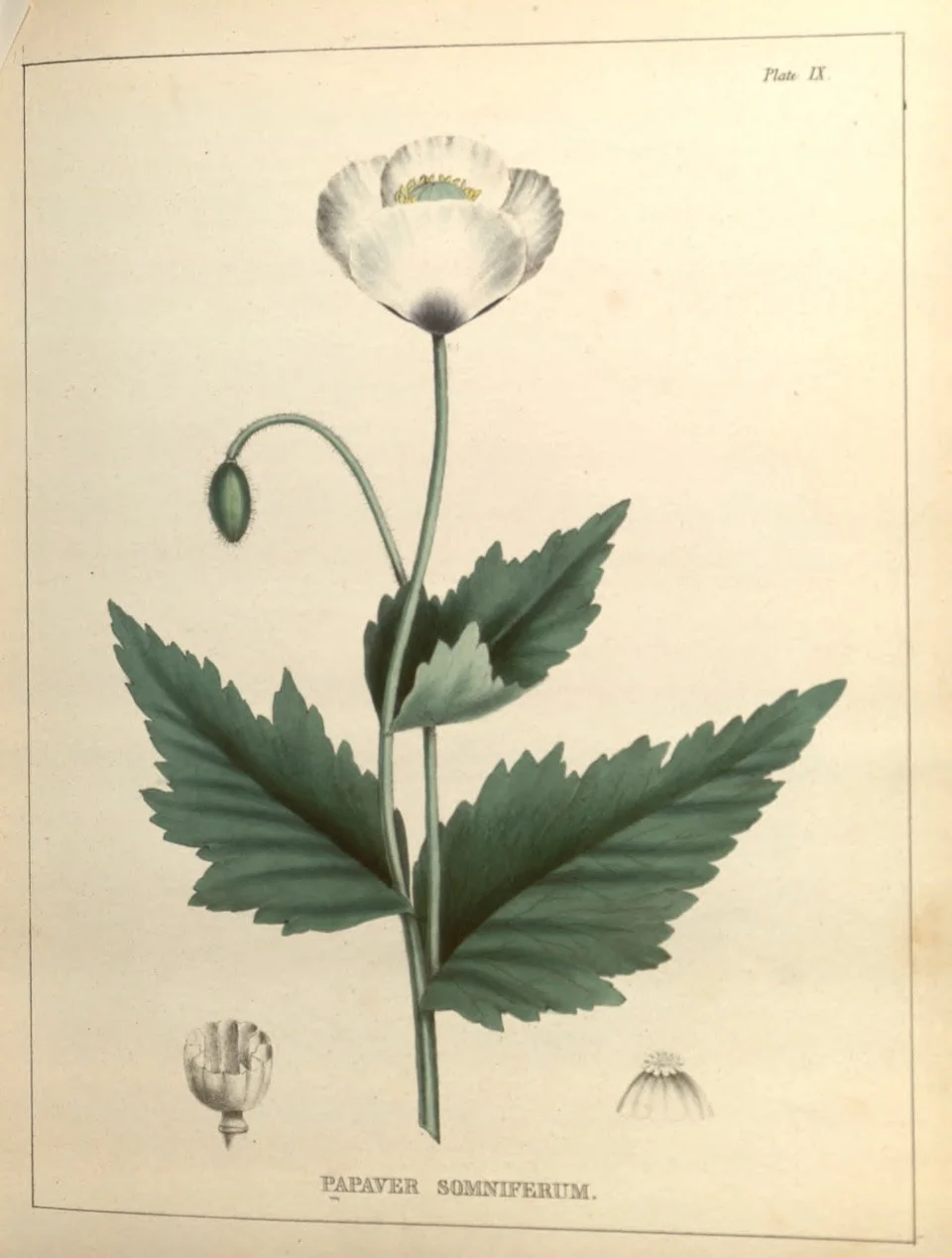
Concrete receives far less attention than cocaine. And it seems for good reason as the two substances are most different: one is a building material while the other is a highly addictive drug; one is legal while the other is not; one materializes environments, like homes, offices, schools, and infrastructure while the other destroys families and communities. It is only in their beginnings as off-white powder that they appear to share any commonality. But what if I told you that politics around the two particles of dust was not especially different? What if I unearthed that concrete — much like cocaine — is embedded in histories of violence, illicit activity, and social and environmental harm?

Read More
When the Cops were Spies, and the Terrorists were Everywhere

When the Cops were Spies, and the Terrorists were Everywhere

By David Viola

Just after dawn on February 16th, 1965, two men drove a late-model Chevy through cold, quiet Bronx streets. Robert Steele Collier, twenty-eight, was an Air Force veteran who had received an other-than-honorable discharge after slashing a man in a London knife fight. In the years since his discharge, he had made his way to New York City and become involved in the more militant side of the Civil Rights movement. Even the belligerent Revolutionary Action Movement (RAM), which he joined, proved too faint-hearted for his taste.

Read More
Stonewall at 50: A Roundtable

Stonewall at 50: A Roundtable

Today on the blog, we mark the 50th anniversary of the Stonewall Riots with a series of short essays by activists, writers, and scholars whose lives and work have been shaped by the events of June 1969 and their aftermath. This year, the scale of celebration and commemoration in New York is larger than ever — more than 4 million people are expected to attend this weekend’s festivities, and an estimated 115,000 people will be marching at Pride.

Read More
The Girl on the Velvet Swing

The Girl on the Velvet Swing

Reviewed by Emily Brooks

In The Girl on the Velvet Swing: Sex, Murder, and Madness at the Dawn of the Twentieth Century, Simon Baatz explores the dramatic and violent relationship between three infamous figures in late nineteenth and early twentieth century New York City. The story of Evelyn Nesbit, Stanford White, and Harry Thaw, a beautiful young performer, a famous middle-aged architect, and a notorious scion of a wealthy family, respectively, captivated their contemporaries and continues to appeal to historians more than a century later.

Read More
The State Versus Harlem

The State Versus Harlem

By Matt Kautz

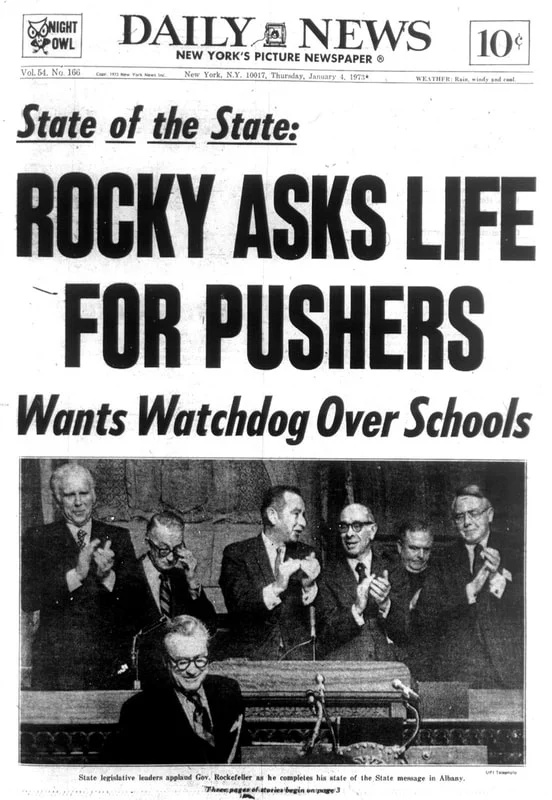
Over the past few years, Americans have paid greater attention to the harm caused by opiates and rising heroin use, specifically in white, rural areas. The New York State Department of Health has dedicated a large portion of its website to sharing statistics of opioid overdoses in the state, warning signs about what addiction looks like, information on the state’s program for monitoring doctor’s prescriptions, and how those addicted can receive treatment.

Read More
“White Tigers Eat Black Panthers:” New York City’s Law Enforcement Group

“White Tigers Eat Black Panthers:” New York City’s Law Enforcement Group

By Jarrod Shanahan

In September 1968, three young members of the Black Panther Party (BPP) were arraigned in Brooklyn Criminal Court on charges stemming from a raucous Brooklyn street demonstration where uncollected garbage was set afire. BPP members and supporters rallied outside the court, hemmed in by New York Police Department (NYPD) cops who arrested two Party members for refusing to move behind a barricade. Upstairs, supporters were dramatically outnumbered by roughly 150 off-duty cops, many coming directly from the midnight to 8 a.m. shift, “barely concealing the guns and blackjacks tucked into their belts,” recalled mayoral aid Barry Gottehrer. “Some wore police badges.” The raucous crowd shouted “Win with [George] Wallace!” and “White power!”[1]

Read More
The Deuce Times Two

The Deuce Times Two

By Jeffrey Escoffier

“It was the best of times, it was the worst of times.” The famous opening line of Dickens’ Tale of Two Cities certainly seems like an appropriate way sum up 1970s New York, but I cite it also because the novel itself comes up in The Deuce’s first season as a book that launches a young prostitute on the road to reading and going back to school. Objectively life in New York City during the 1970s and early 80s was pretty bad — high crime rates, rampant homelessness, loose trash everywhere, whole neighborhoods of abandoned buildings crumbling and burning — yet it was an incredibly creative time as well: in music, art, performance, theater and sexuality. This was brought home to me recently when a 70-year-old retired professor of history said to me: “I know everything was so terrible in that period, but it was also incredibly exciting.”

Read More
(Podcast) Clarence Taylor's Fight the Power: African Americans and the Long History of Police Brutality in New York City

In his most recent book, Clarence Taylor, dean of the history of the civil rights movement in New York, looks at black resistance to police brutality in the city, and institutional efforts to hold the NYPD accountable, since the late 1930s and '40s.

Listen to this interview here.

Read More